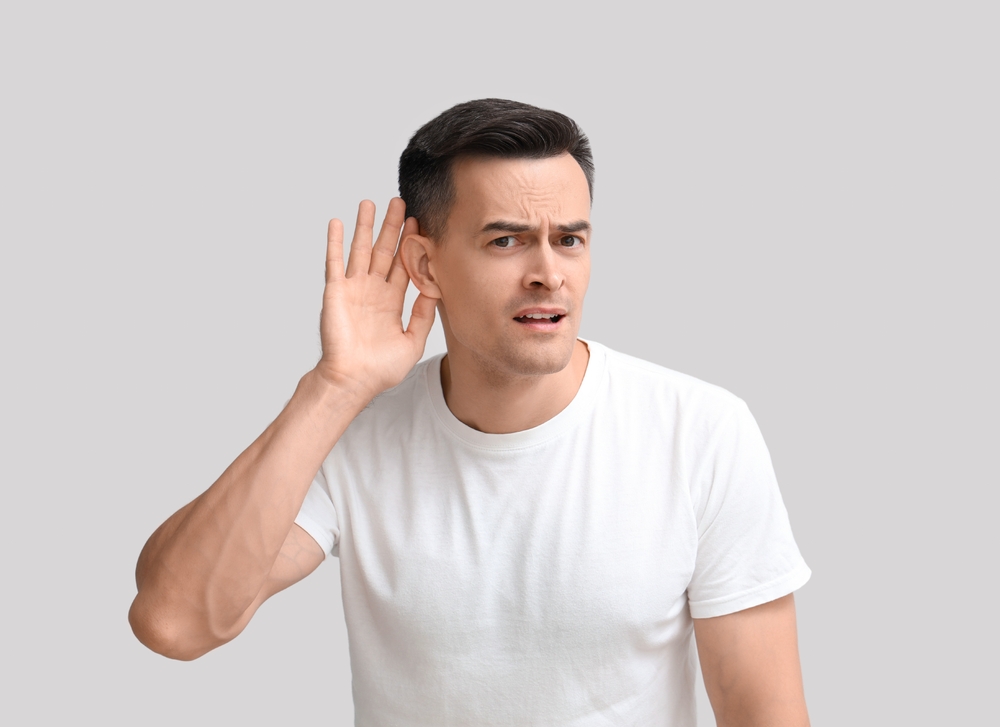
Have you noticed a distinct sense of exhaustion after participating in lengthy verbal interactions?
You might initially blame your exhaustion on general tiredness or a busy lifestyle. And it’s true that for introverts or people with sensory issues, social situations can be exhausting. Frequently, this specific type of burnout is actually triggered by chronic auditory fatigue.
Essentially, auditory fatigue is the result of the brain over-functioning to compensate for poor sound quality. When sound clarity is compromised, the brain allocates vast cognitive resources to deciphering muffled or distorted phonemes. Accumulated listening strain eventually manifests as the profound exhaustion associated with auditory fatigue.
Many people mistake auditory fatigue for ordinary tiredness. Critically, this exhaustion is often a primary indicator of underlying auditory pathologies. Undergoing a clinical screening can identify the extent to which hearing loss drives your daily fatigue. If this cycle of exhaustion is recurring, consult an audiologist to investigate the influence of hearing loss.
What Causes Auditory Fatigue?
The risk of developing auditory fatigue is increased by several physiological and environmental factors.
Untreated Hearing Loss
Unmanaged hearing loss stands as a primary catalyst for chronic listening exhaustion.
When acoustic signals are incomplete, the brain engages in heavy “top-down” processing to reconstruct speech. The mental labor required for constant speech reconstruction causes energy levels to plummet during social interaction.
How Background Noise Triggers Fatigue
High-noise environments significantly exacerbate the symptoms of auditory fatigue. Settings like busy cafes or group discussions often present a low signal-to-noise ratio that obscures speech.
The presence of competing sounds forces the brain’s “noise-cancellation” filters to work at maximum capacity. This intensive filtering often leads to cognitive overload, even in patients with “hidden” or sub-clinical hearing loss.
The Role of Tinnitus in Auditory Fatigue
The presence of tinnitus creates a dual-processing burden, forcing the brain to manage both phantom internal signals and legitimate external sound.
Sound distortion caused by hearing loss can further increase strain, forcing the brain to work even harder to understand speech.
Identifying the Symptoms of Listening Exhaustion
This type of fatigue often degrades both your ability to concentrate and your general vitality. Frequently observed symptoms include:
- Feeling mentally drained after conversations
- Difficulty concentrating during meetings or group discussions
- Physical head pain triggered by extended periods of listening effort
- A sense of agitation triggered by difficult listening conditions
- Social retreat to avoid the stress of auditory processing
- Compulsive need for rest after navigating a noisy environment
Frequent presentation of these symptoms is a clear sign of neurological auditory over-exertion.
The Neurology of Effortful Listening
With healthy hearing, the brain’s speech recognition pathways operate with high efficiency. However, when hearing loss is present, the brain must allocate more cognitive resources to decode sounds.
Audiologists and neurologists define this extra effort as a high cognitive load. It involves the brain siphoning energy from memory retrieval and focus to prioritize basic speech understanding. This continuous drain on the brain’s “battery” leads to chronic daily exhaustion. The effort required for even a 10-minute talk becomes disproportionately high.
Using Clinical Evaluations to Uncover Auditory Strain
If auditory fatigue is affecting your daily life, a professional hearing evaluation can help identify the cause. The evaluation process includes mapping your hearing range and measuring your speech discrimination accuracy. They may also evaluate how well you understand speech in background noise, which can reveal challenges that may not appear in quiet settings.
The data from your exam will determine if your fatigue is rooted in a physiological hearing deficit. Timely audiological care is the most effective way to halt the progression of auditory fatigue.
How Hearing Treatment Reduces Listening Effort
Addressing the underlying impairment is the most direct way to eliminate auditory fatigue.
Advanced hearing aids utilize AI to sharpen speech signals while simultaneously suppressing irrelevant environmental noise. This allows the brain to receive clearer signals without constantly trying to fill in missing sounds.
When listening becomes easier, many people notice improvements in:
- Mental energy throughout the day
- Increased attention span during long discussions
- Feeling relaxed and confident in noisy environments
By reducing neural over-exertion, your daily life regains its sense of ease and fluidity.
When Should You Schedule a Hearing Test?
It may be time to schedule a hearing evaluation if:
- Socializing feels like a high-intensity mental workout
- You are increasingly told that you are missing parts of the conversation
- Background noise makes speech recognition a major challenge
- You find yourself “hiding” in quiet rooms during parties or meetings
Early action on hearing impairment is a foundational step in preserving your mental and social health.
FAQs About Auditory Fatigue
Distinguishing Between Exhaustion and Impairment
Actually, no; auditory fatigue is the cognitive result of the strain, not the physical impairment itself. Most people experience auditory fatigue as a direct consequence of their hearing loss.
Can hearing aids reduce listening fatigue?
By performing the filtering for you, hearing aids dramatically reduce daily mental exhaustion.
Can Auditory Fatigue Be Cured?
Typically, this fatigue is transient and resolves once the auditory system is supported by clinical care.
Stop Feeling Drained After Conversations
Socializing should replenish you, not leave you feeling drained. If listening leaves you mentally drained, your ears and brain may be working harder than they should.
Schedule your hearing test today by contacting us today. Total peace of mind is only possible when you understand the physiological roots of your fatigue.
