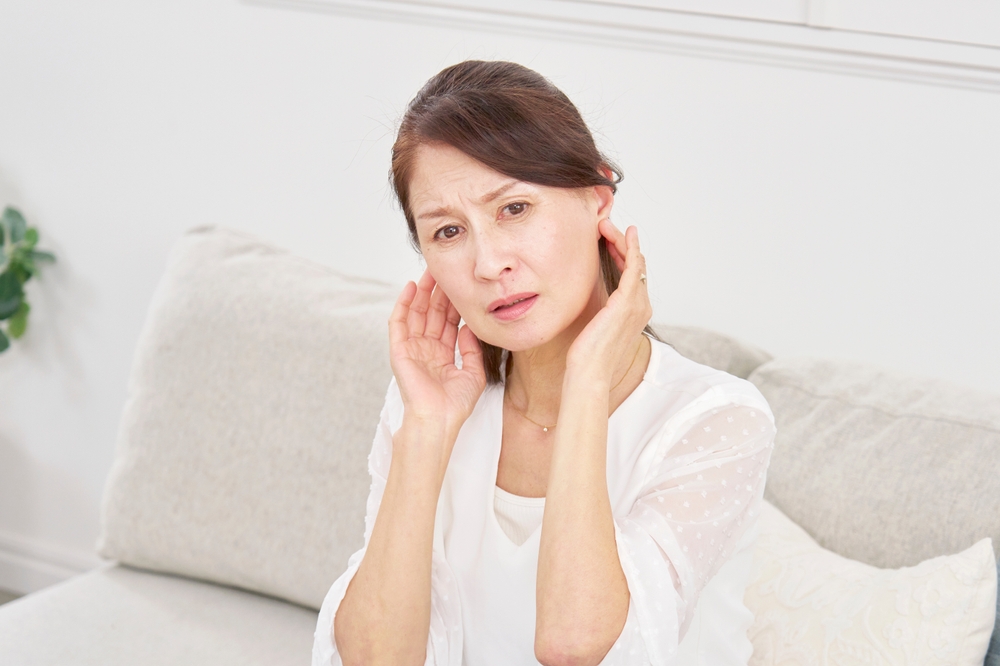
Discovering an unexpected inability to hear upon waking is a deeply alarming scenario. The experience of losing hearing instantly, especially in the absence of pain, is naturally jarring. Though certain triggers are transient and easy to resolve, others demand rapid clinical assessment.
Recognizing the frequent catalysts for fast hearing loss and acting decisively can profoundly impact your recovery path. Below, we’re looking at sudden hearing loss, possible causes, and how to access professional care.
The Clinical Definition of Sudden Hearing Changes
This impairment involves a swift loss of hearing capacity spanning several hours to a limit of three days. While most patients experience this in one ear, it can sometimes manifest in both simultaneously. Individual experiences vary from clouded hearing and tinnitus to a distinct sense of congestion or vocal distortion.
The Urgency of Sudden Sensorineural Hearing Loss (SSHL)
SSHL stands as one of the most critical conditions for an audiologist to investigate quickly.
The condition is rooted in physiological issues affecting the cochlea, hearing nerve, or neural pathways. Though a definitive cause may be difficult to pin down, the following factors often play a role:
- Restricted circulation inside the cochlear system
- Increased inflammation inside the auditory pathways
- Infection-based nerve disruption
- Complex neurological conditions
Because the window for effective treatment is so narrow, SSHL is treated as an urgent crisis where early care dictates the outcome.
Viruses and Inner Ear Health
Viral activity often leads to inflammation in the hearing nerve, resulting in major auditory changes.
Clinical research links the following viruses to swift changes in hearing acuity:
- Routine upper-airway viral activity
- Systemic flu-related inflammation
- The herpes family strains
- Viral complications observed in some COVID-19 cases
Hearing changes may appear during or shortly after an illness and can be accompanied by vertigo or pressure.
Head or Ear Trauma
Physical impact to the skull, swift shifts in ambient pressure, or severe sound blasts can injure the ear’s internal mechanisms.
Trauma-related causes include:
- Severe brain injuries or concussions
- Acoustic or atmospheric barotrauma
- Exposure to extremely loud sounds
- Physical displacement of inner ear fluids
Relatively small impacts can still compromise auditory function, particularly if shifts manifest immediately following the event.
Sudden Loss Due to Ear Canal Obstruction
While not a medical emergency like nerve damage, impacted wax is a frequent cause of sudden auditory dullness.
Obstruction-based hearing impairment often:
- Manifest with abrupt speed
- Result in a feeling of obstruction or “stuffiness”
- Impact one ear more than the other
- Subside once the canal is properly cleared
It is essential to remember that home evaluation is insufficient for determining the true source of sudden deafness. That’s why professional evaluation is critical.
Exploring Secondary Triggers for Hearing Changes
Other variables that can influence a sudden drop in hearing include:
- Adverse effects from certain pharmaceuticals
- Circulatory system disruptions
- Systemic autoimmune attacks on the cochlea
- Tumors affecting the auditory nerve
A thorough diagnostic battery is essential to eliminate these more complex causes.
Sudden Hearing Loss: Why Early Treatment Is Key
The most important messages around sudden hearing loss is don’t wait and see.
Seeking a rapid clinical assessment allows you to:
- Pinpoint underlying issues that can be reversed
- Increase the likelihood that treatment will recover hearing
- Protect against lasting damage to the auditory nerve
- Limit long-term communication challenges
Comprehensive audiology diagnostics provide the essential data needed to manage the condition effectively.
Identifying Red Flags for Urgent Hearing Care
It is critical to consult a professional instantly if you notice the following:
- A rapid drop in auditory clarity in one or both sides
- A loss of hearing accompanied by dizziness or lack of coordination
- Ringing or pressure that appears suddenly
- Loss of hearing that manifests after a medical event or head impact
Even if symptoms improve, you still require a formal assessment to identify the root cause.
Hearing Testing for Quick Answers
Audiology diagnostics can quickly clarify whether hearing loss is:
- Conductive in nature, often caused by mechanical obstructions
- A sensorineural problem involving delicate neural pathways
- A reversible shift or a chronic auditory decline
Swift testing is the foundation for timely medical action and superior long-term results.
Take Sudden Hearing Changes Seriously
It is normal to feel panicked by sudden deafness, but immediate professional help offers the best chance for success.
If you notice an unexpected change in your hearing, getting a professional evaluation can protect your hearing health and your peace of mind. Our team is ready if you experience sudden hearing loss: Call our care team as soon as possible at our office for the help you need.
