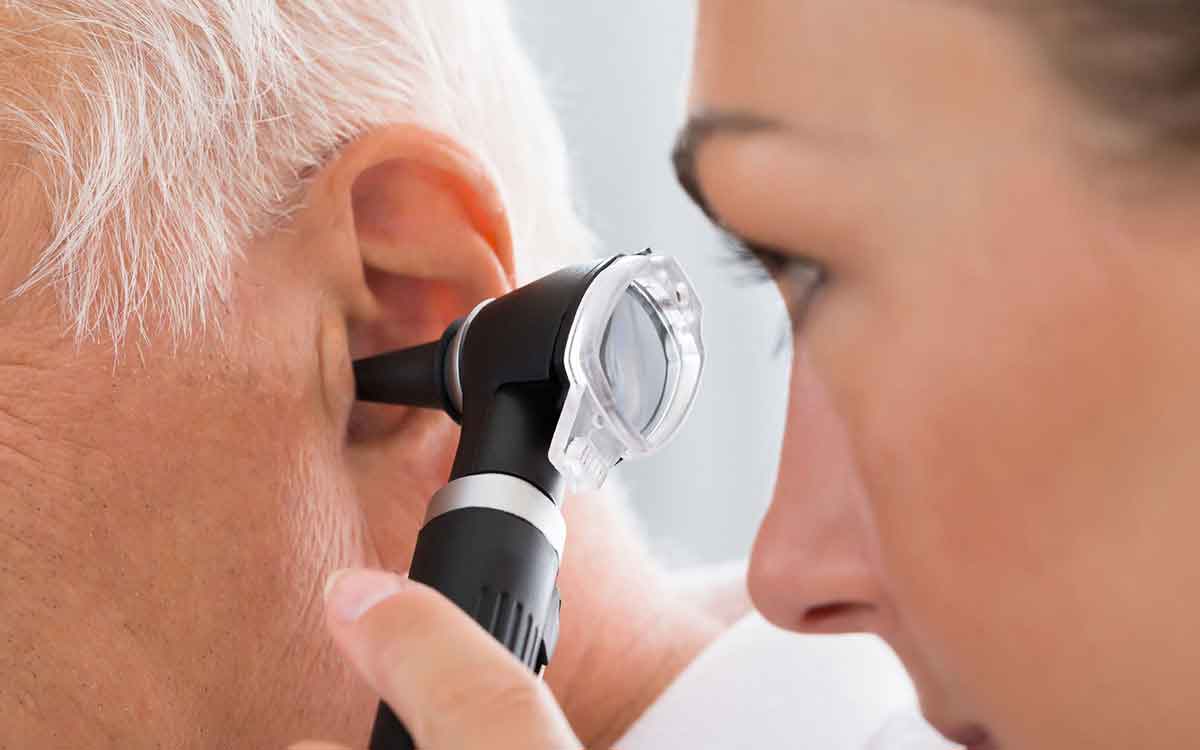
The subtle nature of hearing loss often causes early-stage indicators to be overlooked. Many people adjust without realizing it by increasing the TV volume, requesting frequent repetitions, or avoiding noisy environments.
However, recognizing the early symptoms of auditory impairment remains critical for effective intervention.
Recognizing Typical Early-Stage Hearing Loss Symptoms
Should you encounter any of these early warnings, consider arranging an audiological evaluation to establish a baseline.
- Reduced clarity during social interactions within high-noise areas.
- A regular need of asking for verbal repetitions during conversation.
- Muffled or unclear speech, making it difficult to distinguish specific sounds.
- Turning up the volume on the television and mobile devices to levels that others find excessive.
- Trouble hearing higher-pitched sounds, including children’s voices, birds, or electronic alerts.
- Persistent ear ringing or humming characteristic of tinnitus.
- Cerebral exhaustion after social events caused by persistent listening effort.
- Withdrawing from social events as dialogue has become stressful.
These early signs of hearing loss can affect either ear and can be intermittent at first. Due to the brain’s ability to adjust, many individuals remain unaware of their compensatory habits until the deficit is significant.
Understanding Hearing Impairment Through Data
According to the World Health Organization, over 700 million people will necessitate hearing rehabilitation by 2050. Other relevant statistics include:
- By 2050, nearly 2.5 billion people are projected to experience some degree of hearing loss.
- More than five percent of the global community (roughly 430 million people) requires clinical support to manage significant hearing loss.
- More than 1 billion younger individuals are at risk of permanent hearing loss caused by hazardous acoustic habits.
- Among those over the age of sixty, over 25% have clinically significant hearing loss.
Why Early Detection is Key
Neglecting auditory decline can affect general health and physiological status.
Scientific data associates hearing loss with increased risks of withdrawal, depression, impairment, and balance issues.
Timely management offers better long-term prognosis and greater treatment flexibility.
A hearing evaluation helps identify whether changes are due to presbycusis-driven hearing loss, noise exposure, earwax buildup, infection, or another medical condition.
Specific auditory fluctuations remain temporary and can be addressed via clinical treatment.
For chronic conditions, the early implementation of ear defense or devices can help manage the condition.
Guidelines for Consulting an Audiologist
A professional screening is recommended under the following circumstances:
- Auditory indicators last longer than a few weeks.
- Auditory trouble starts to influence work or personal routines.
- You experience acute auditory decline, vertigo, or chronic ear ringing (this should be evaluated promptly).
Hearing tests are comfortable and noninvasive, additionally they offer valuable insight into your hearing health.
We encourage you to reach out to our clinic if you believe a hearing screening would be advantageous.
FAQ: Early Signs of Hearing Loss
Question: Is aging the sole cause of hearing impairment?
Answer: No. While common in seniors, hearing impairment can be caused by medications, loud noise, infections, or hereditary conditions.
Q: Can hearing loss be reversed?
Answer: Specific causes, including earwax blockage, may be susceptible to reversal through treatment. Other types are permanent but can often be effectively managed with treatment or hearing devices.
Q: How often should hearing be checked?
Answer: Clinical guidelines suggest a baseline evaluation by the age of 50, or earlier if symptoms of hearing loss are noticed.
