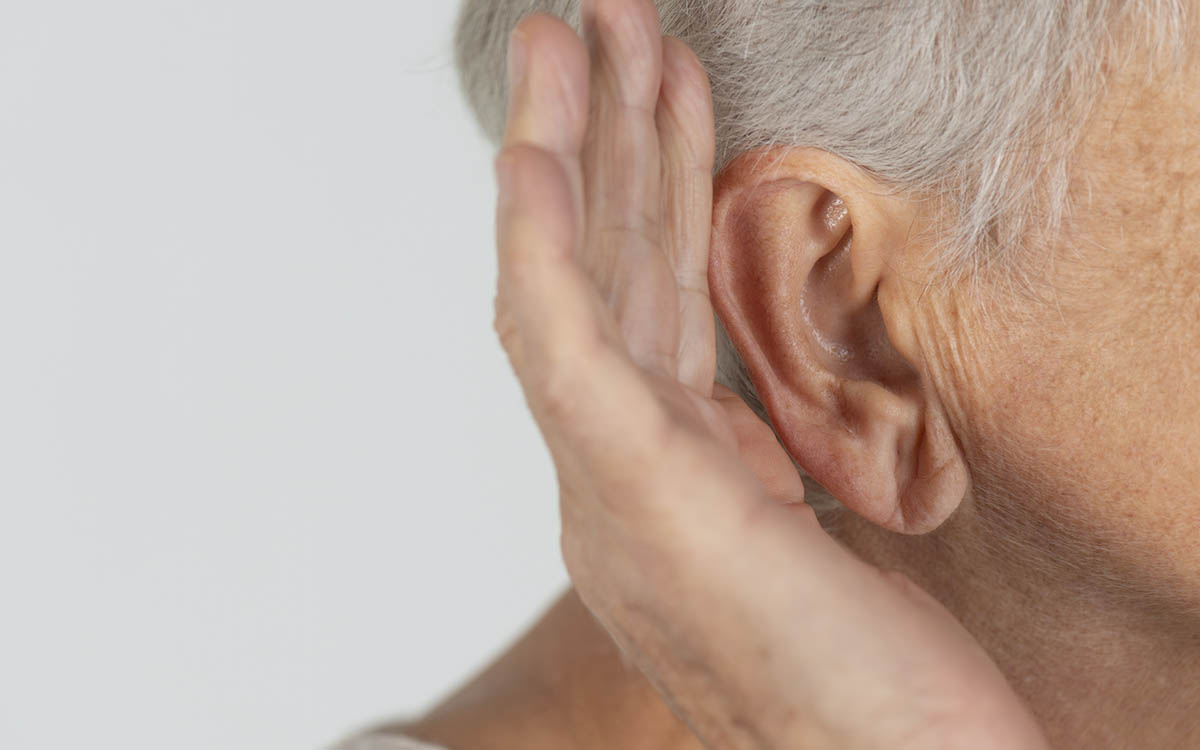
While many individuals correlate hearing loss to senescence, yet for a vast number of citizens, auditory trauma initiates much earlier in life. Noise-induced hearing loss is one of the most common and preventable forms of damage to our hearing, remaining undetected until the damage is irreversible.
Understanding how noise exposure impacts your ears over time can help you protect yourself prior to the onset of clinical hearing loss.
Establishing the Parameters of Acoustic Injury
Noise-induced hearing loss is characterized by the degradation of intricate inner ear components. The Centers for Disease Control and Prevention state that, sounds above 85 decibels (roughly the volume of heavy traffic) can begin to cause hearing damage with repeated or prolonged exposure. Intense noise sources, specifically firearms or industrial tools, can compromise hearing integrity within a very brief timeframe.
The internal auditory system houses delicate sensory units termed hair cells. These units are responsible for translating sound waves into the electrical signals required for auditory perception. The inability of hair cells to regenerate after trauma explains why noise-induced hearing loss results in a permanent auditory deficit.
Analyzing the Advancement of Ear Damage
The insidious nature of noise-induced hearing loss is highlighted by its gradual developmental timeline. Early exposure may cause symptoms like:
- Transient auditory sensations such as ringing or buzzing (Tinnitus)
- A feeling of muffled hearing after loud events
- Reduced ability to distinguish vocal communication in loud surroundings
Initial symptoms may subside, frequently resulting in the incorrect assumption that hearing function has returned to baseline. Despite the lack of symptoms, persistent noise exposure causes cumulative injury to the ear, incrementally diminishing auditory acuity and threshold sensitivity.
Statistics from the HLAA suggest that 48 million Americans have some form of hearing loss, often without realizing the cause.
Identifying Everyday Acoustic Risks Impacting Auditory Longevity
Modern society is characterized by high ambient noise, which frequently leads to a lack of awareness regarding sound intensity. Consequently, the frequency of hazardous noise exposure is often underestimated.
Commonly encountered risks include:
- Concert settings and loud musical performances
- Personal audio devices utilized at excessive decibel levels
- Lawn equipment, power tools, and motorcycles
- Occupational noise exposure within the construction or manufacturing sectors
Due to the routine nature of these sounds, auditory injury may accrue in the absence of overt symptoms.
Prioritizing Prevention in Clinical Hearing Management
Unlike other health conditions, noise-induced hearing loss cannot be reversed. The condition is, however, susceptible to effective preventative strategies. The implementation of basic protective protocols can substantially mitigate risk, such as:
- The application of earplugs or attenuation earmuffs in loud areas
- Limiting headphone decibels and implementing the 60/60 rule for safe listening
- Incorporating auditory rest periods to allow for physiological recovery
- Arranging for routine Audiology assessments if noise exposure is frequent
Indicators to Consult with Clinical Hearing Care
Patients observing ongoing Tinnitus, challenges in conversation, or shifts in auditory acuity should contact an Audiologist. Early assessment is critical for monitoring, education, and the development of protective strategies to help preserve your hearing.
Proactive ear protection in the present is essential for maintaining future auditory function. Exposure to noise is frequent, yet hearing loss can be successfully avoided through proper care. Contact our team today to schedule a consultation and make sure you’re hearing your best.
